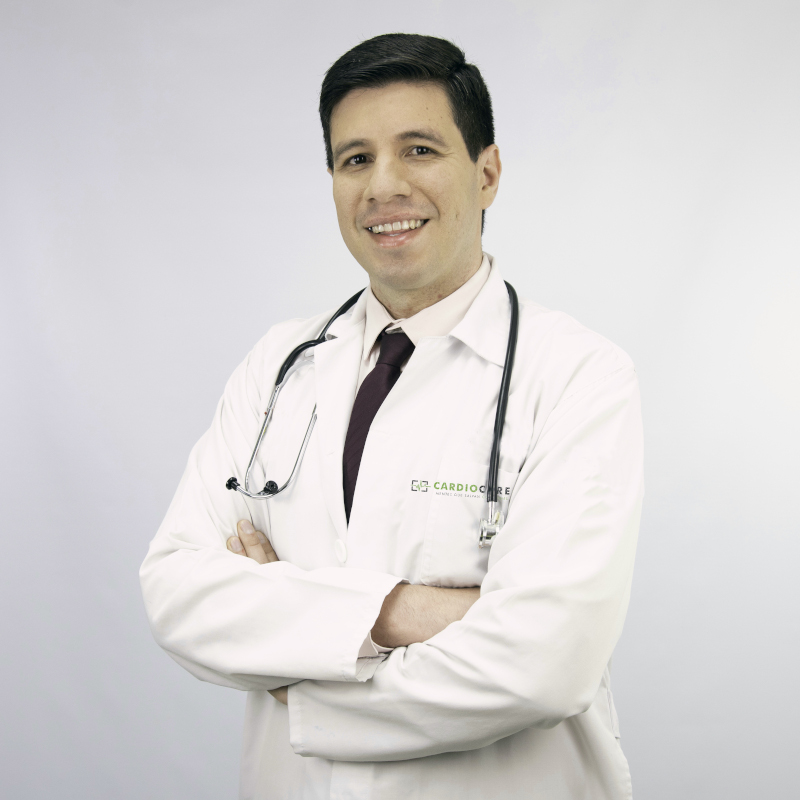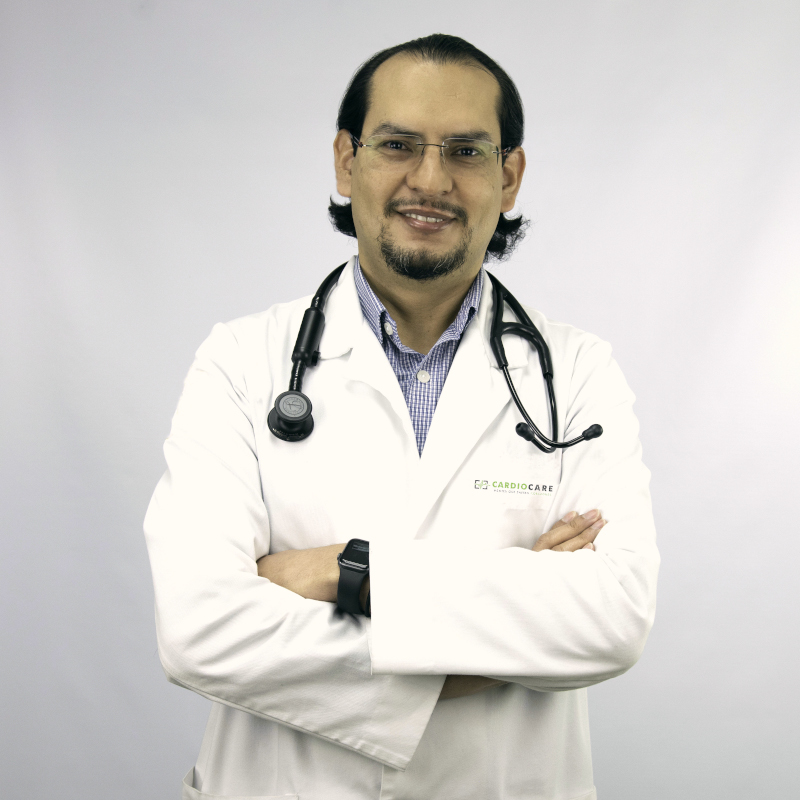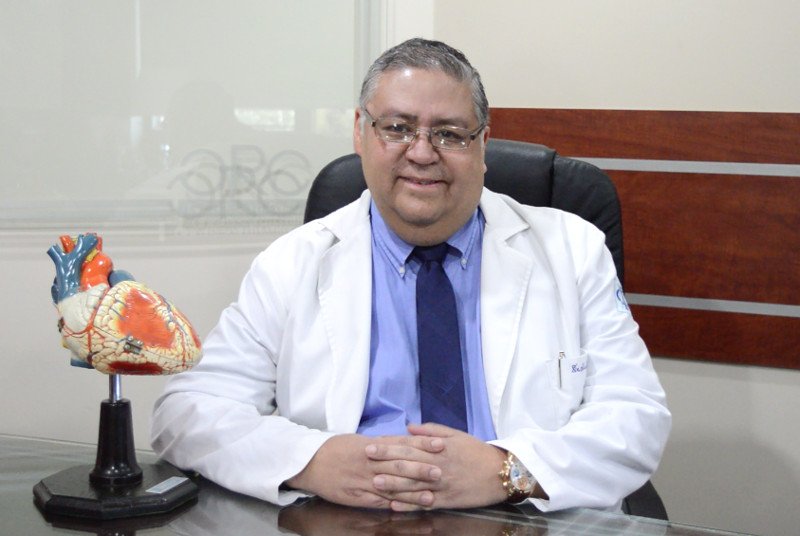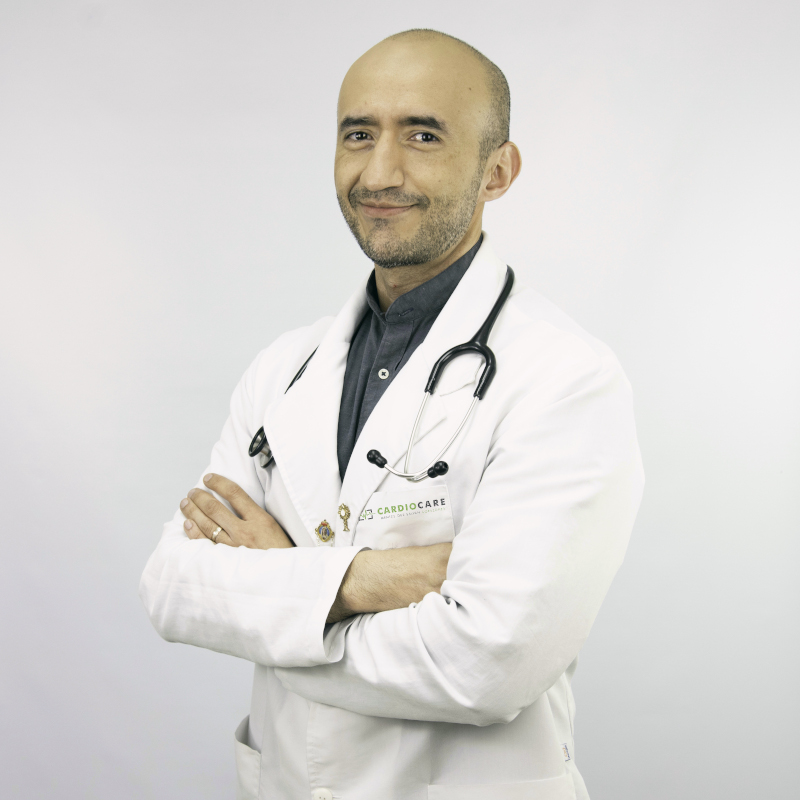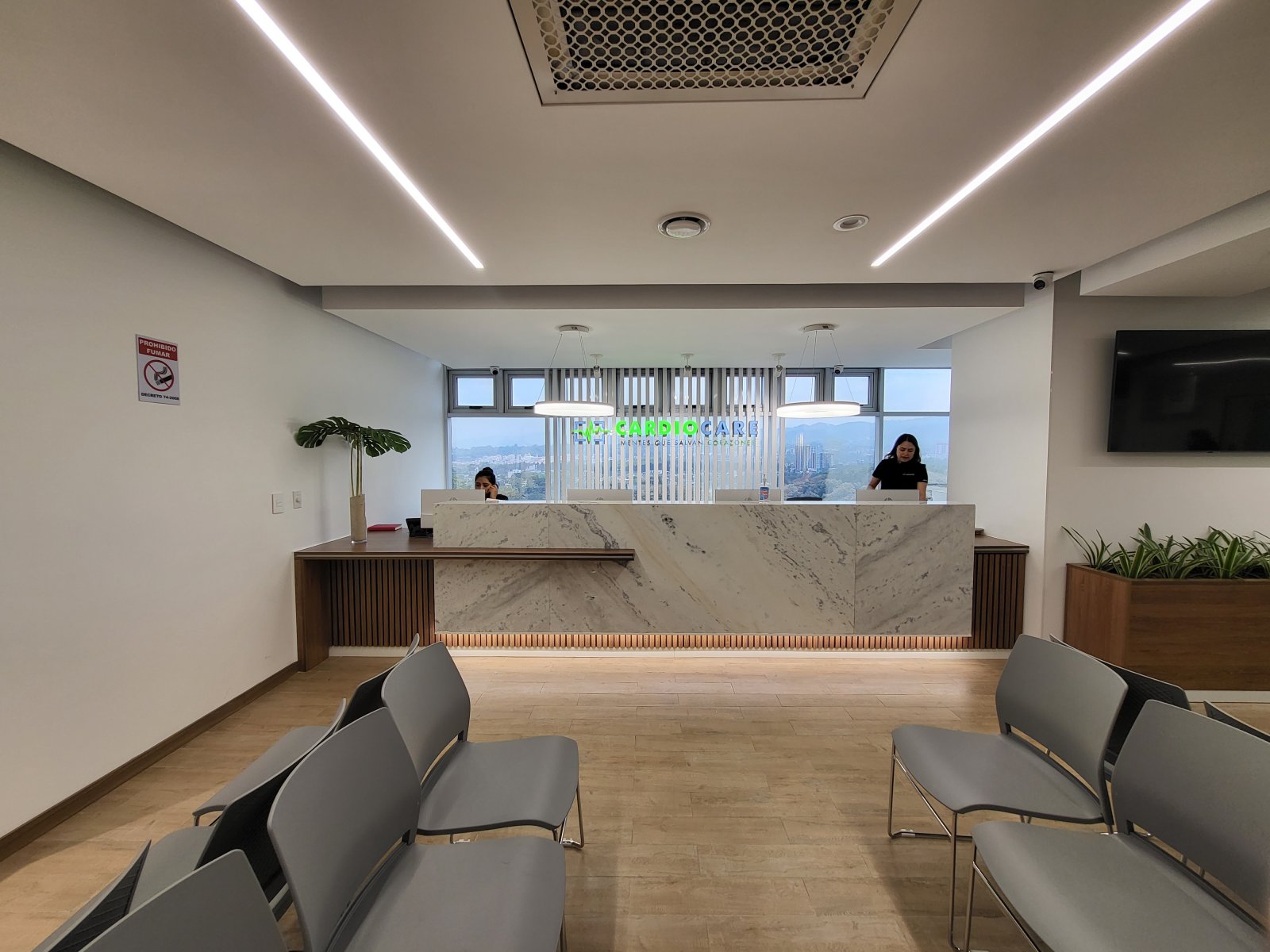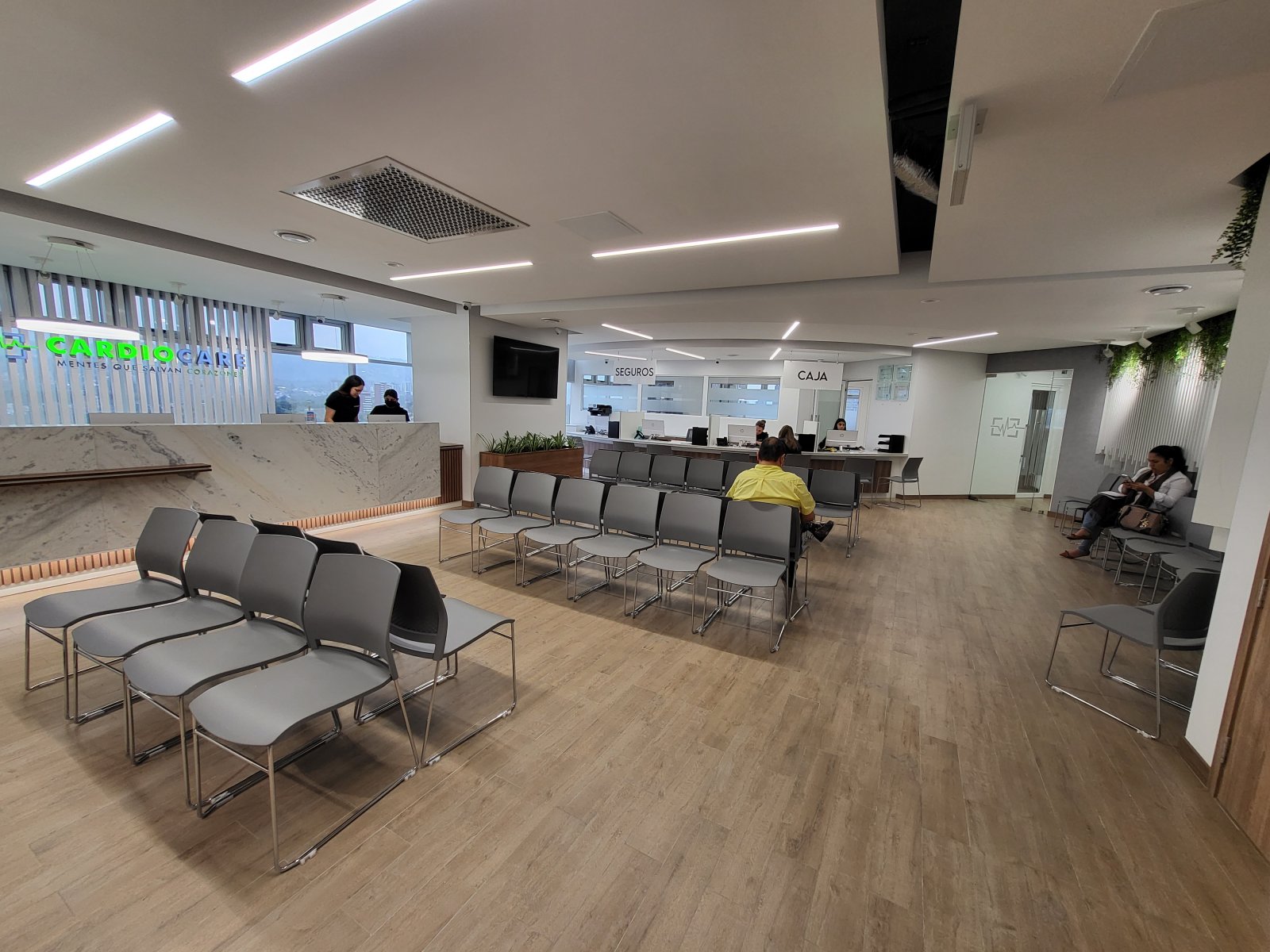






Clinica del Centro Medico II
6ta Av. 3-22, zona 10, 6º Nivel Clínica 606
Guatemala Guatemala, Centro América
Call us: (502) 2313 9999
Emergencies: 1700 UNIT CARDIOCARE
Work Schedule : 7:00AM a 7:00PM

|
1. CARDIOLOGY MEDICAL CONSULTATION The medical consultation is carried out by a specialist in cardiology, this includes taking the patient history, physical examination, analysis and interpretation of ECG and analysis of tests performed. 2. THREE-CHANNEL ELECTROCARDIOGRAM The electrocardiogram is a graphical representation of the heart's electrical activity detected by a series of electrodes placed on the body surface. 3. VENOUS AND ARTERIAL DOPPLER OF THE LIMBS The venous Doppler ultrasound is currently the most accurate and necessary working tool in the diagnostic study of venous pathology presenting a real technological revolution in the study of the venous system, both in the field of exploration of venous insufficiency and varicose veins, as well as in the diagnosis of venous thrombosis. 4. CAROTID DOPPLER This ultrasound uses sound waves instead of radiation to generate moving and static images. It uses the same principle of ultrasound that allows you to see babies in the womb, these images visualize the carotid arteries, their inner or intimate layer and the flow of blood, we also measure the velocity of blood within the arteries. 5. COLOR DOPPLER ECHOCARDIOGRAM FOR ADULTS An echocardiogram is a test that uses ultrasound waves to examine the heart. Its common name is Echo. This test can be used to determine: 6. PEDIATRIC COLOR DOPPLER ECHOCARDIOGRAM Echocardiography is a diagnostic ultrasound that allows anatomical and functional assessment of the heart at different stages of life. This test can be used to determine: 7.ECHOCARDIOGRAM WITH CONTRAST Echocardiography is a useful diagnostic technique in the assessment of cardiac structure and function. As all techniques it has limitations, sometimes the ratio signal-noise is low, with poor sound transmission or loss of low-intensity signals. There are a number of substances known as echo enhancers or echocardiographic contrasts, which enhance the ultrasound signal to improve diagnostic performance. 8. DOBUTAMINE STRESS ECHO When you need to perform a stress test on treadmill or other tests that require exercise are not a option for any associated medical condition, such as inability to walk, severe pain in the legs to perform the test, patient's general condition among others, it is possible that your doctor may decide to use the intravenous medication called dobutamine. 9. TREADMILL ECHO STRESS Treadmill echo stress is a test that uses ultrasound to image the heart before and after exercise. These images at rest and immediately after exercise compared to identify abnormalities that appear only with physical exertion and thus may help discover a heart condition. 10. HOLTER MONITOR 24 HOURS. Medical study available for Adults and Children. Continuous monitoring of ECG trace for a long time which is usually 24 hours and normal physical activity. 11. AMBULATORY MONITORING OF ARTERIAL PRESSURE (MAP) As its name suggests is taking blood pressure during daily life and on an outpatient basis over a predetermined period which is usually 24 hours. 12. STRESS TEST Is a test that assesses the health and condition of the heart, not at rest but exercise. It gives us valuable information about: 13.TILT TEST Is a non-invasive test to determine the cause of syncope especially if it is suspected to be mainly of a neurocardiogenic origin or neurologically mediated. Its sensitivity is 75 percent and specificity 88 percent. It may present false-negative results in 30 percent of cases. It is recommended in cases where there have been recurrent episodes of syncope without a definite cause or in those cases where such symptoms occur in patients with high-risk occupations (air pilots, drivers, athletes). 14. SURGICAL SPECIALTIES I. Catheterization Specialized invasive procedure to insert a thin flexible tube (catheter) through a blood vessel (vein or artery), it is carried to different areas of the circulatory system, most often to the heart chambers where the physician obtains information on the circulation and on the seriousness of the ailment in the different cardiovascular diseases (stroke, angina, valvular lesions, vascular lesions, biopsies). II. Coronary Invasive procedure through which a catheter is inserted into the orifice of the coronary and a special liquid (contrast medium) is injected. Through X-Rays (Fluoroscopy) the physician is able to determine the severity of the lesions of these arteries. III. Coronary Angioplasty with Stent Invasive therapeutic procedure where catheters and balloons are injected into the coronary arteries to improve the flow of blood. Devices like stent improve clinical symptoms (angina, infarction). |